

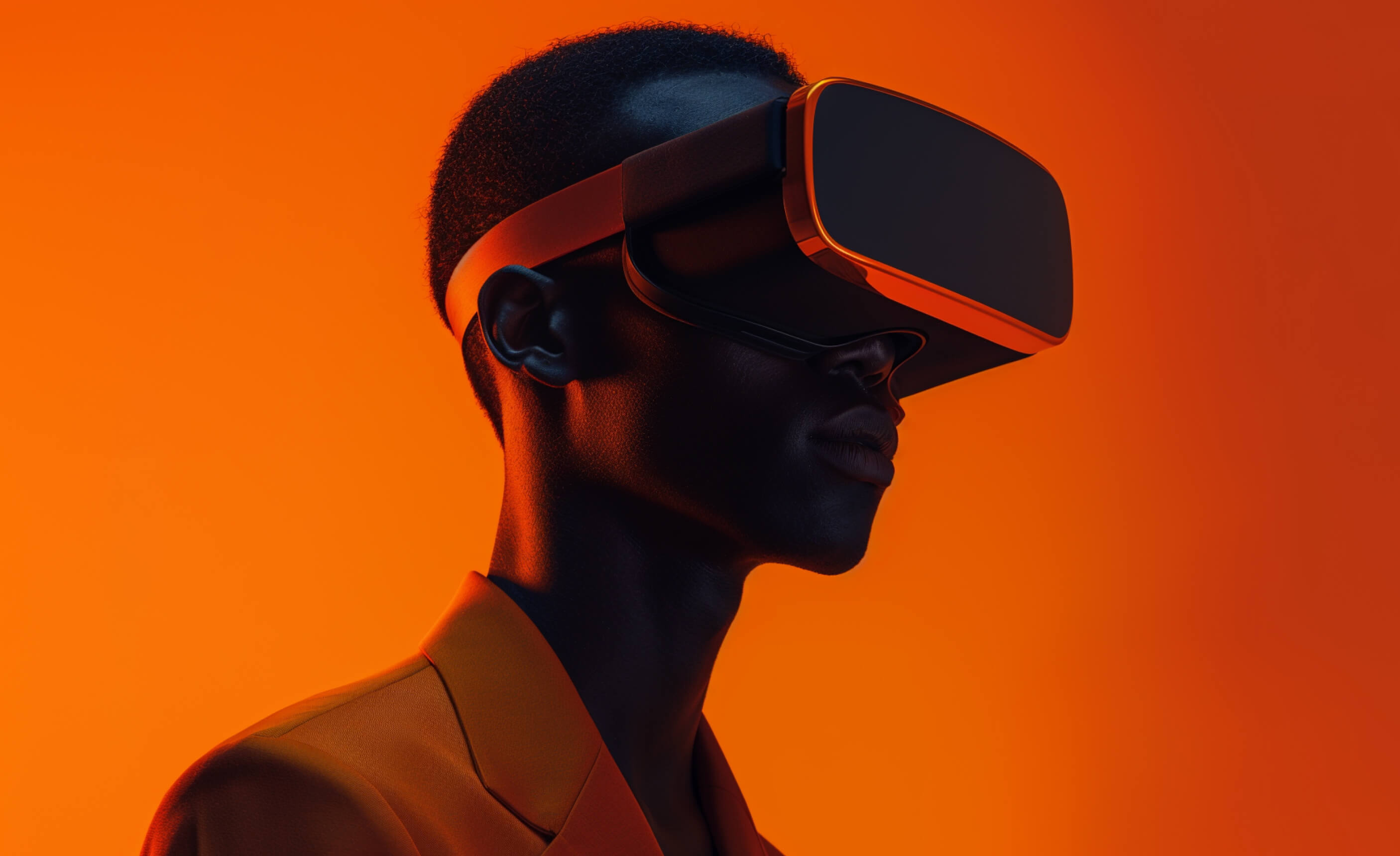






The first, first responders
Before the lights and sirens, before help arrives on scene, you answer the call.


Before the lights and sirens, before help arrives on scene, you answer the call.
You are the calm in the chaos, a steady presence in people’s worst moments, and a lifeline when the seconds feel like hours. For decades, you have worked behind the curtain, managing endless screens and tools while guiding others through crisis. Your voice literally saves lives, yet feels unheard by the people building the technology meant to support you.
It’s time you are empowered by technology, rather than burdened by it. Let us give you the tools that help you focus on what matters most: answering the ultimate call, the call to Protect Life.
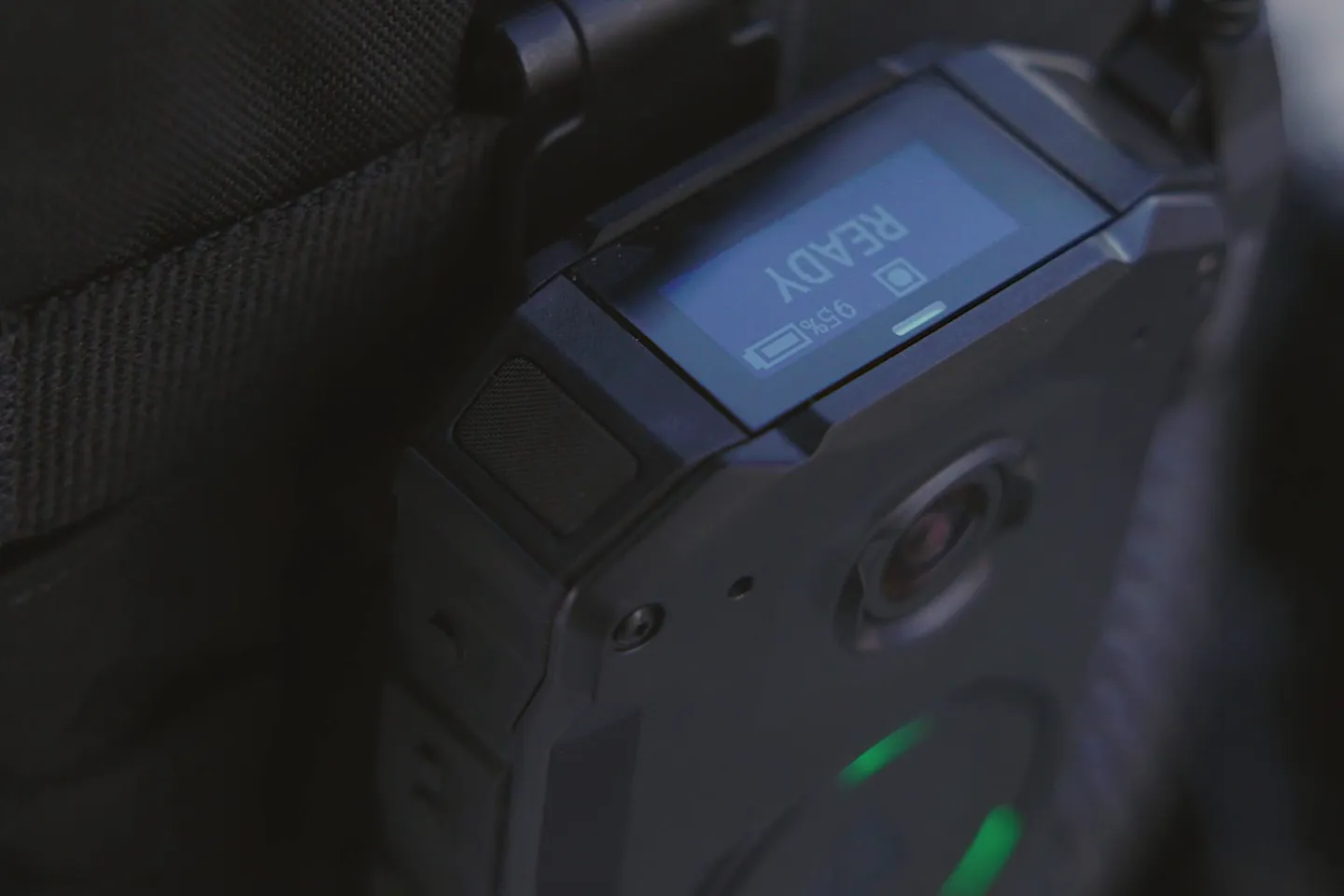














Scroll through the milestones that have shaped modern emergency communications to see how we arrived at today’s connected 911 ecosystem.
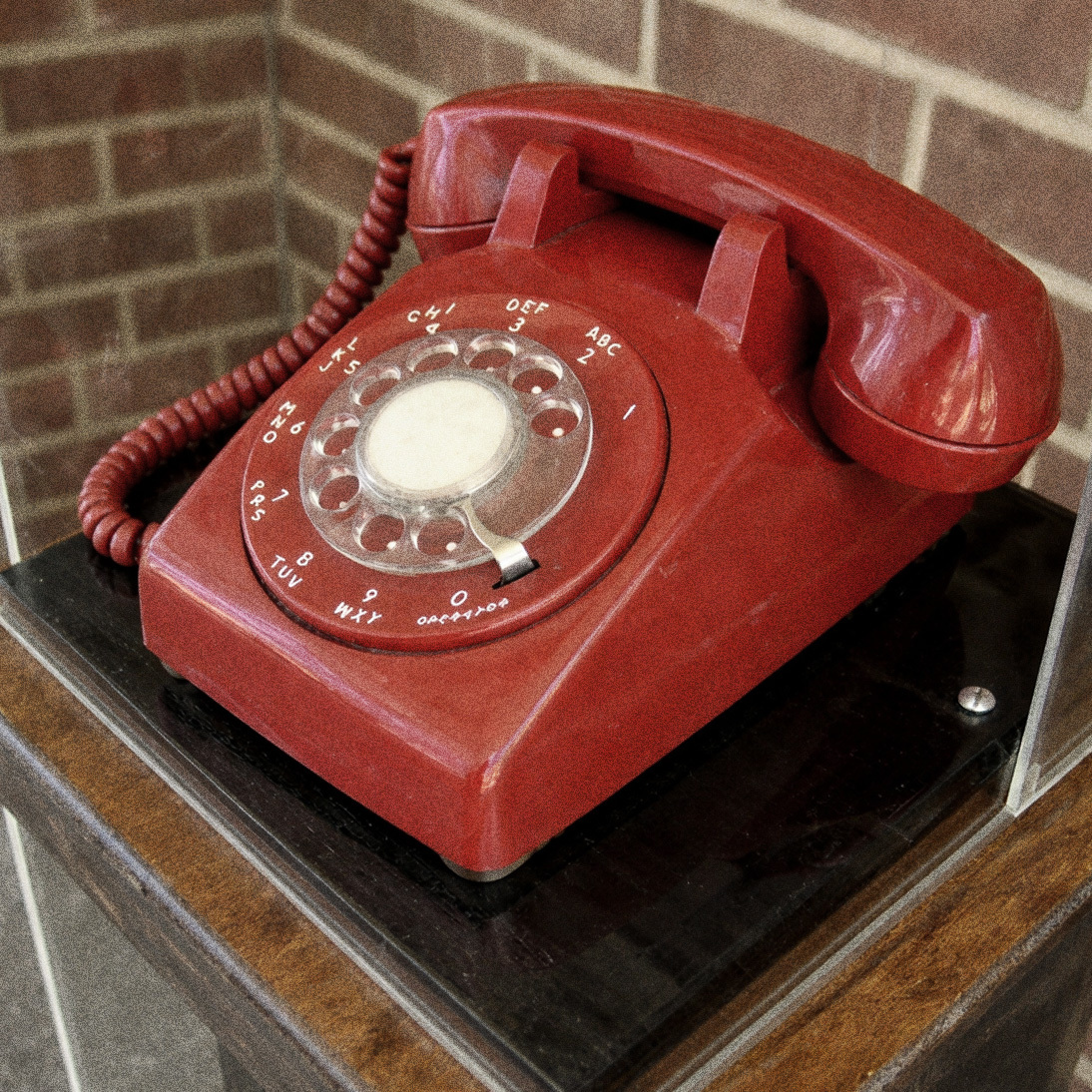
-1970s
The Birth of 911
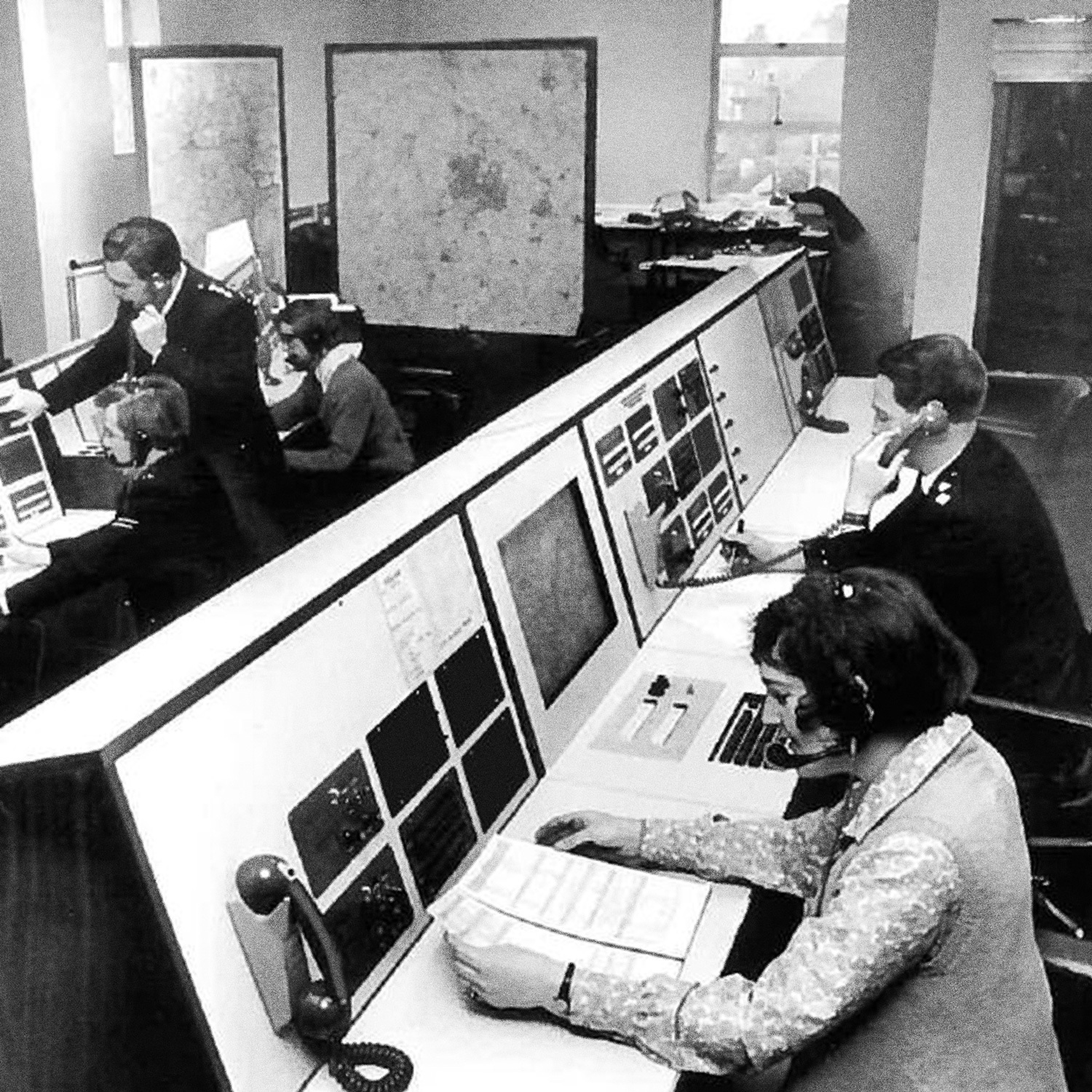
The first 911 call was placed in Haleyville, Alabama. The breakthrough was not just in the “911” number itself, but the system behind it. Telephone switches were programmed to route emergency calls directly to the nearest police station or operator. Call takers answered the phone, handwrote notes, and relayed critical information to responders.
-1980s
Enhanced 911
Enhanced 911 introduced automatic number and location identification, allowing dispatch centers to automatically display the caller’s phone number and civic address. This streamlined back-and-forth questioning and gave call takers immediate information while they were still speaking with the caller.

-1990s
Dispatch Goes Digital
Dispatch centers adopted Computer-Aided Dispatch (CAD) to track incidents and responders digitally. CAD replaced paper logs, and operators now entered information into a dedicated dispatch system while managing the phone call and incident management screen in real time.
-2000s
The Mobile Era
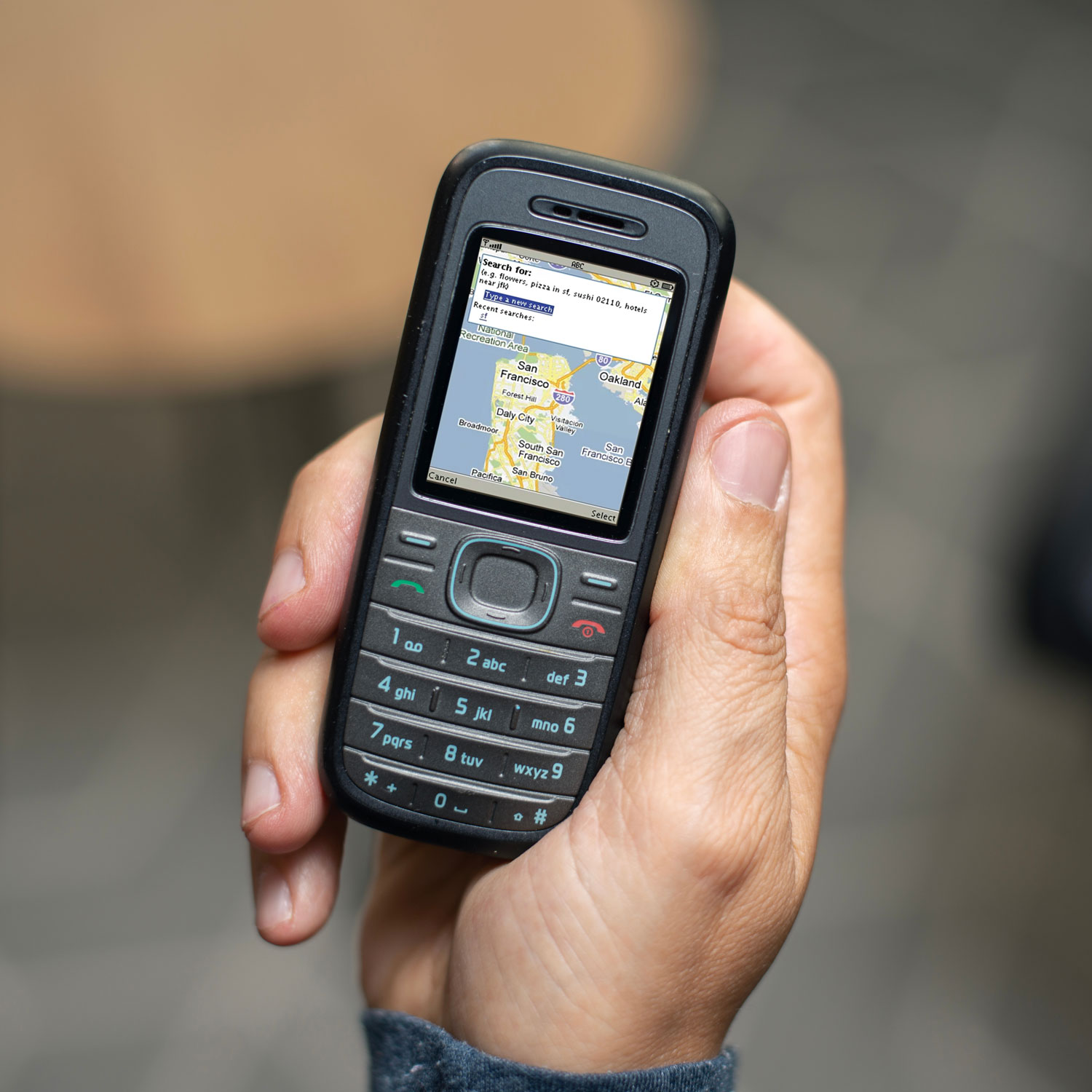
As cell phones became common, calls were no longer tied to fixed addresses. Networks introduced wireless routing and location technologies that helped determine which dispatch center should receive the call and where the caller might be.
Dispatchers began using new interfaces to estimate caller location, adding another layer of situational awareness, and another layer of technology.
New Ways to Reach Help
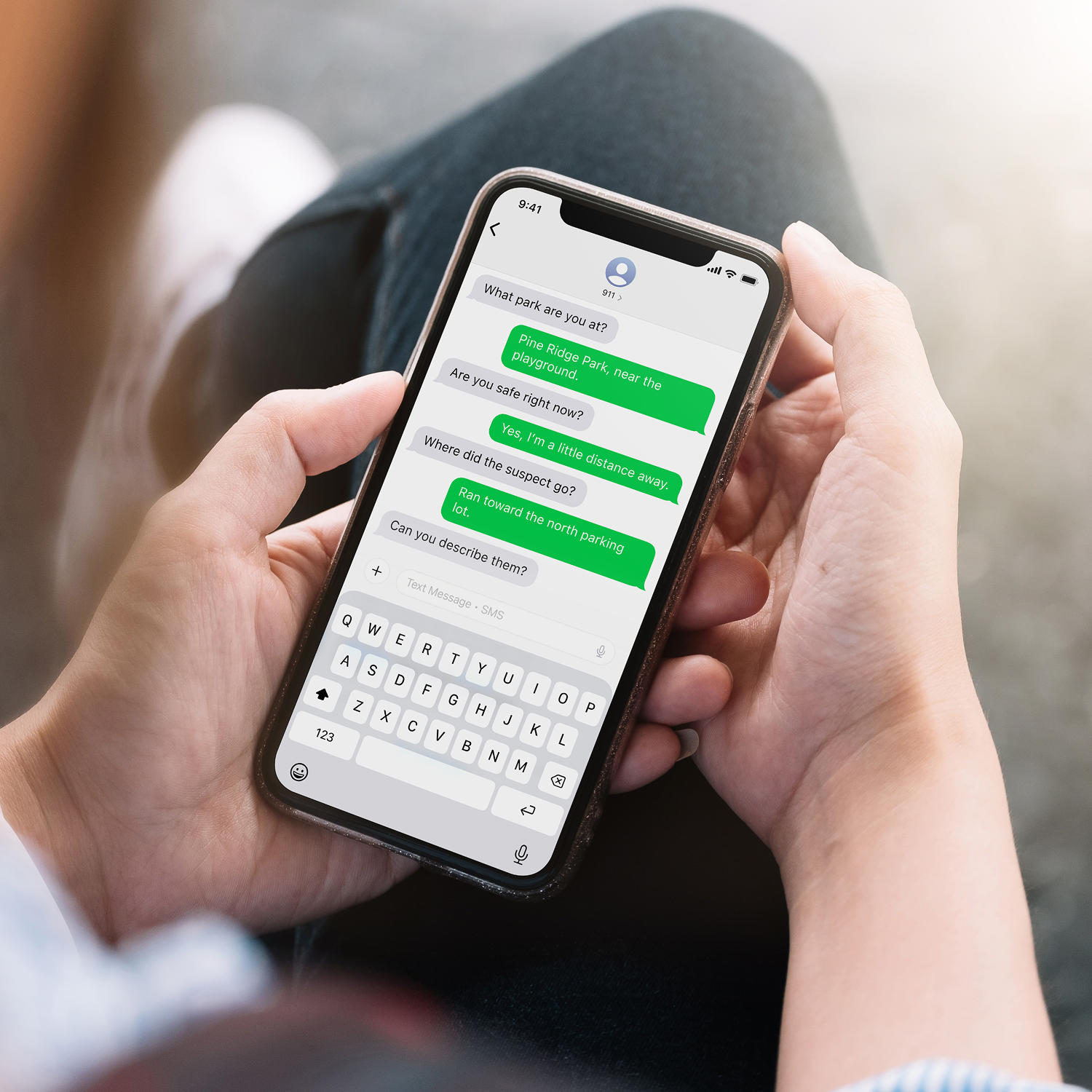
Internet-based calling and text-to-911 expanded how people could contact emergency services. Dispatch centers updated their technology to manage these new communication channels alongside traditional voice calls. Operators increasingly worked across phone consoles, CAD systems, mapping tools, and digital call routing software as emergency communications evolved.
.jpg)
2010s
-2026
Next Generation 911
Today, some 911 centers can receive precise smartphone location, vehicle crash alerts, photos, and video from callers. But accessing all of this information requires jumping between systems, adding a new layer of technical complexity to an already demanding job. In the same moment a call taker is navigating multiple screens and tools, they are also on the line with a caller who is panicked, struggling to communicate, and relying on them completely. The capabilities have never been greater, and neither has the cognitive burden.

-Beyond
The AI Era
AI is beginning to power the emergency communications ecosystem, replacing decades of complexity with a simpler, more powerful approach. It works alongside call takers, transcribing in real time, translating languages, and automatically capturing critical details. Live summaries keep responders aligned, while key information surfaces instantly, allowing call takers to focus fully on the person in need and respond with greater clarity and speed.
The technology goes further. Call takers become more capable, hearing more, processing faster, and responding beyond the limits of screens and keyboards, so the person on the other end gets more attention.
the calls
“Technology is evolving very quickly. Unfortunately, it’s not evolving in the 911 space so making sure that we keep moving with the technology is important. It allows us to stay in the space where the citizen feels comfortable that when they call 911, we’re actually going to be able to assist them.”
“It’s a once in a generation game changer. There is no question that we have taken the first step toward 911 in the future. This is that much of an improvement in handling 911. I think we are going to look back and say this is an important part of 911 history.”

“The future of 911 isn’t just technology - it’s people, powered by innovation, turning critical data into life-saving decisions - in real time. It’s about giving every caller the best chance.”
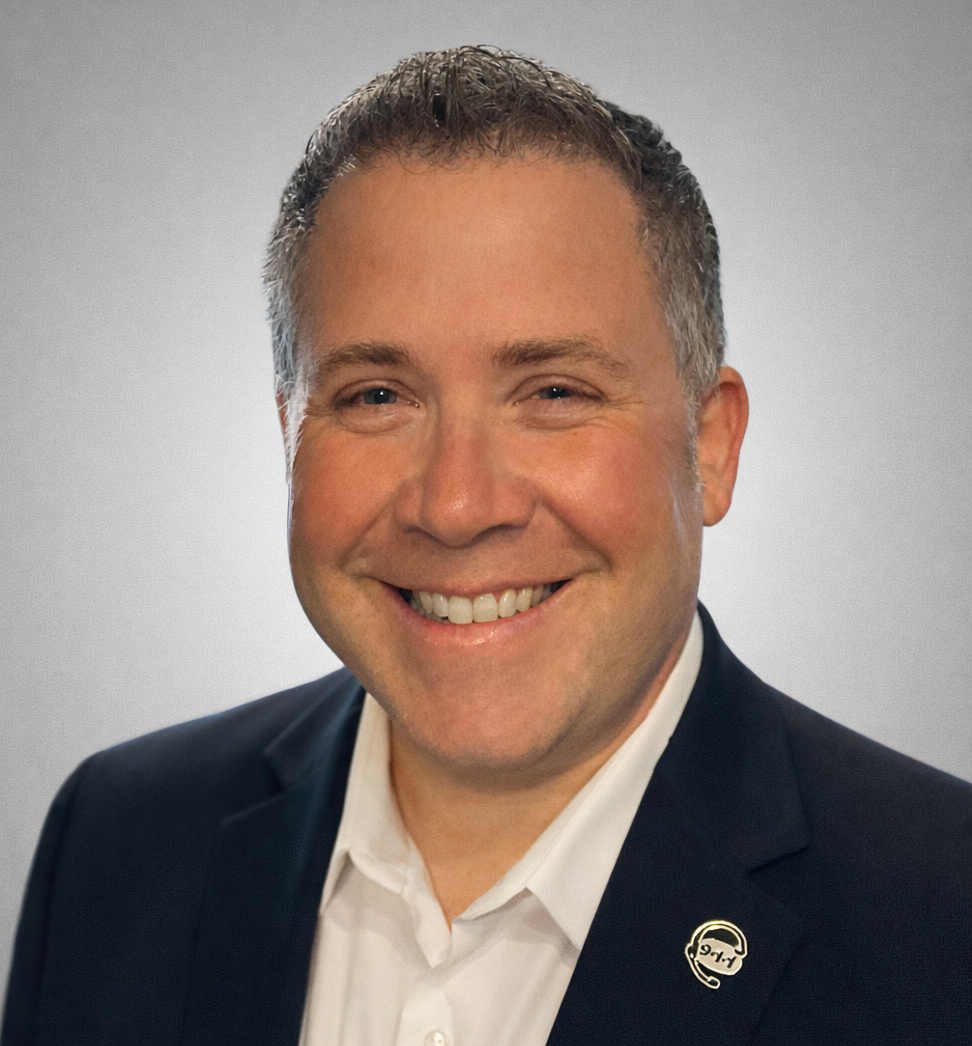
“The work happening inside 911 centers is critical to every outcome that follows. Any effort that prioritizes and empowers telecommunicators and first responders is an investment in better, safer communities. We’re proud to support that mission.”